Biometric Device Guide for 2026: Secure Access & Attendance
Passwords get shared, cards get lost, and PIN codes get shoulder-surfed. A modern biometric device removes those weak links by tying access and attendance to something no one can borrow or forget: the person themselves. In 2026, fingerprint and multi-factor biometric readers have become the practical backbone of workforce management and physical security across offices, factories, clinics, and campuses in Saudi Arabia and Pakistan alike.
This guide explains how biometric readers work, what to look for when buying, and how they integrate with wider access and queue systems. Whether you manage a single site or a distributed enterprise, the fundamentals here will help you deploy with confidence.
How a Biometric Device Works
A biometric device captures a unique physical trait, most commonly a fingerprint, and converts it into an encrypted mathematical template. It never stores an actual image you could reverse-engineer; it stores that template and compares it against future scans in milliseconds. When the pattern matches, the reader unlocks a door or logs an attendance punch and passes the event to your management software.
High-quality readers such as a professional-grade Biometric Device use optical or capacitive sensors tuned to reject fakes and read reliably even with slightly dry or worn fingers. That accuracy is what separates an enterprise-ready unit from a cheap consumer scanner that frustrates staff every morning.
Where biometric readers add the most value
- Time and attendance: Eliminate buddy-punching and manual timesheets.
- Physical access control: Restrict server rooms, labs, and cash areas.
- Visitor and contractor management: Verify identity before granting entry.
- Compliance and audit: Produce tamper-resistant records for payroll and safety.
Why Biometrics Beat Cards and PINs in 2026
The business case is straightforward. Cards cost money to replace, PINs get written on sticky notes, and both can be handed to someone else. A biometric trait cannot be transferred, so accountability becomes precise. That precision matters for payroll accuracy, where even small amounts of time theft compound into significant annual losses across a large workforce.
Security guidance from the U.S. National Institute of Standards and Technology has long promoted multi-factor authentication, and biometrics provide a powerful “something you are” factor that pairs naturally with cards or PINs for high-security zones. In 2026, combining factors is considered best practice rather than overkill for sensitive facilities.
What Should You Look For When Buying a Biometric Device?
Not every reader suits every environment. Use the checklist below to match hardware to your real conditions before you commit to a fleet.
- Sensor accuracy: Low false-reject and false-accept rates keep queues moving and doors secure.
- Durability: Dust and heat resistance matters for factory floors and outdoor gates.
- Capacity: Enough template and log storage for your headcount and shift patterns.
- Connectivity: TCP/IP, Wi-Fi, or cloud sync so data reaches your software reliably.
- Software integration: Open APIs to link payroll, HR, and access platforms.
- Privacy compliance: Encrypted templates and clear data-handling policies.
Buyers who source through quality service providers generally get better long-term value, because installation, enrolment, and staff training are handled properly the first time rather than patched later.
Comparing Biometric Modalities
| Modality | Speed | Best Use | Notes |
|---|---|---|---|
| Fingerprint | Very fast | Attendance & doors | Cost-effective, widely accepted |
| Facial | Fast | Touchless entry | Good for hygiene-sensitive sites |
| Iris | Fast | High-security zones | Very accurate, higher cost |
| Palm vein | Fast | Healthcare | Hard to spoof, hygienic |
Connecting Biometrics With Flow and Queue Systems
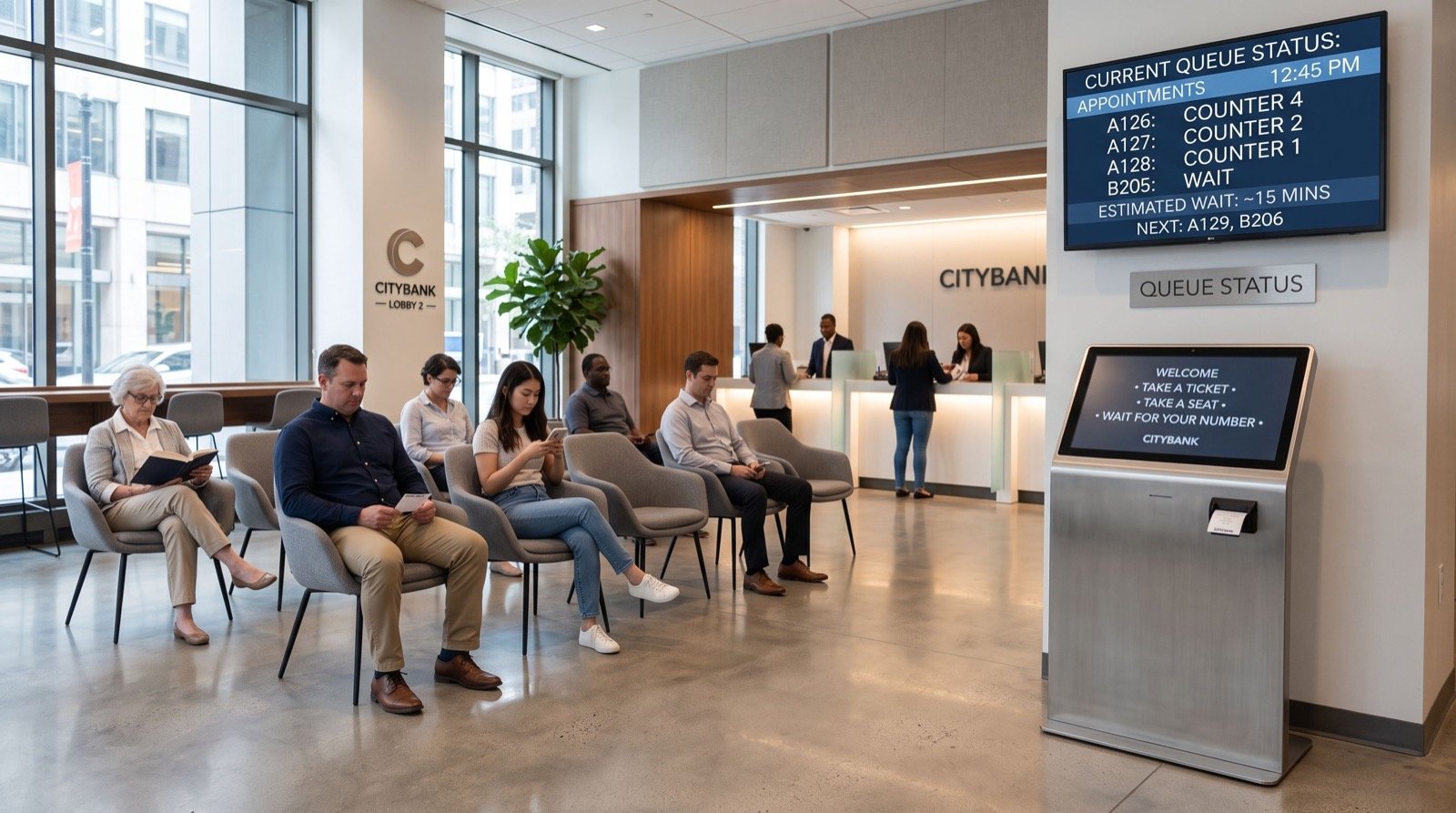
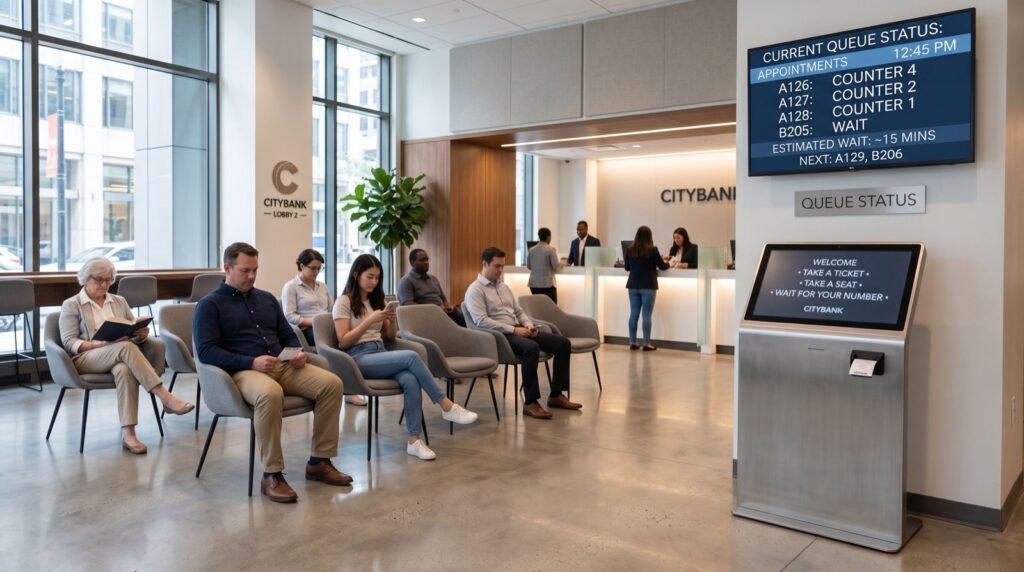
Biometric identity does not have to live in isolation. Forward-looking organisations link enrolment to their wider customer-flow tools so that verified visitors move smoothly from the door to the right counter. Pairing readers with a queue management system in saudi arabia lets a bank or clinic authenticate a customer at check-in and route them instantly, with a full audit trail from entry to service.
This integration is especially valuable in regulated sectors. When identity verification and queue analytics share one platform, compliance reporting becomes far simpler, and staff spend less time reconciling separate logs.
Practical Deployment Tips
An original lesson from real rollouts: enrolment quality determines everything. If you capture fingerprints hastily on day one, you inherit months of failed scans and frustrated staff. Take time to enrol each person carefully, capturing multiple fingers so a cut or bandage never locks someone out. That single discipline prevents the majority of support tickets down the line.
A second tip is placement and lighting. Mount readers at a comfortable height, shield optical sensors from direct sunlight, and keep the surface clean. Small physical details like these have an outsized effect on daily reliability and user trust.
Planning a Multi-Site Rollout
Scaling biometrics across several locations introduces coordination challenges that a single-site pilot never reveals. Enrolment standards must be consistent so a template captured in one branch reads reliably at another. Network reliability becomes critical, because a reader that cannot sync leaves gaps in your attendance record. Plan a phased schedule that stabilises one region before moving to the next.
Governance matters just as much as hardware. Decide early who owns enrolment, who can delete records, and how you handle staff who leave the organisation. Clear ownership prevents the slow drift toward stale data that undermines trust in any large biometric deployment. Document these rules before the first device ships, not after problems surface.
Finally, budget for change management. Some employees are understandably cautious about biometric data, so explain plainly what is stored, how it is encrypted, and why it protects them from disputes over hours worked. A short, honest briefing turns scepticism into acceptance and dramatically smooths adoption across sites in Saudi Arabia and Pakistan.
Frequently Asked Questions
Is a biometric device safe for employee privacy?
Yes, when configured correctly. Reputable devices store encrypted mathematical templates, not fingerprint images, so the original biometric cannot be reconstructed. Pair this with a clear data policy and access controls for full compliance.
What happens if a fingerprint won’t scan?
Good deployments enrol several fingers per person and offer a fallback such as a PIN or card. This ensures a cut or bandage never blocks legitimate access while preserving security.
Can biometric readers work across multiple sites?
Absolutely. Networked or cloud-connected devices sync enrolments and logs centrally, so an employee verified in Riyadh can be recognised at a Jeddah branch without re-enrolling.
Do these devices integrate with payroll software?
Leading models offer open APIs and standard connectors, letting attendance data flow directly into HR and payroll systems for accurate, tamper-resistant records.
Conclusion
A well-chosen biometric device transforms both security and attendance by anchoring every event to a real, verified person. In 2026, that means fewer disputes, tighter compliance, and cleaner payroll across sites in Saudi Arabia, Pakistan, and beyond. Focus on sensor accuracy, durability, and open integration, invest time in careful enrolment, and connect your readers to wider flow and queue tools for a complete picture. Ready to modernise access and attendance? Speak with a specialist team and deploy biometric technology that your staff will actually trust every day.